
With over 25 years experience in the timber manufacturing industry we understand how to support your projects from start to finish. Our material packages are pre-fabricated, pre-finished, and prepared for delivery to site to support efficient installation and predictable sequencing. Builders choose Canadian Timberframes for clear scope, consistent production capacity, and timber components suited to the demands of commercial construction.


Canadian Timberframes has built a reputation for excellence over the last 25 years, showcasing our commitment to top-quality craftsmanship and customer satisfaction in the timber frame industry. Our extensive experience ensures a deep understanding of timber crafting techniques and a proactive approach to your needs.

We significantly reduce project delays thanks to our comprehensive inventory and on-site sawmill. This setup is crucial for construction managers and developers who must adhere to strict schedules for luxury residential and expansive commercial projects.

At the forefront of the timber industry, Canadian Timberframes features the K2i machine, which includes a six-axis robotic arm. This state-of-the-art technology enhances our ability to process wood efficiently and quickly, providing precise, custom timber structures for builders, architects, designers, and engineers. In fact, we've interfaced with a K2i machine longer than anyone else in Canada.

Canadian Timberframes serves as a comprehensive source for all your timber frame needs, offering Cross-Laminated Timber (CLT), Glue-Laminated Timber (GLT), Glulam, and custom metal works. Our all-inclusive service simplifies logistics for projects that use a mix of solid-sawn timber, mass timber, and specific enclosure systems for roofs and walls, streamlining the entire construction process.

We offer customized wall and roof systems that enhance time and resource efficiency, which is especially valuable for sites with limited space. Our tailored solutions ensure that spatial constraints do not compromise the quality or scale of your architectural designs.

Our expert team specializes in tailored planning and logistics, which are essential for managing complex site logistics effectively. This customized planning helps ensure that each project phase is executed smoothly and according to schedule, providing peace of mind and superior results.
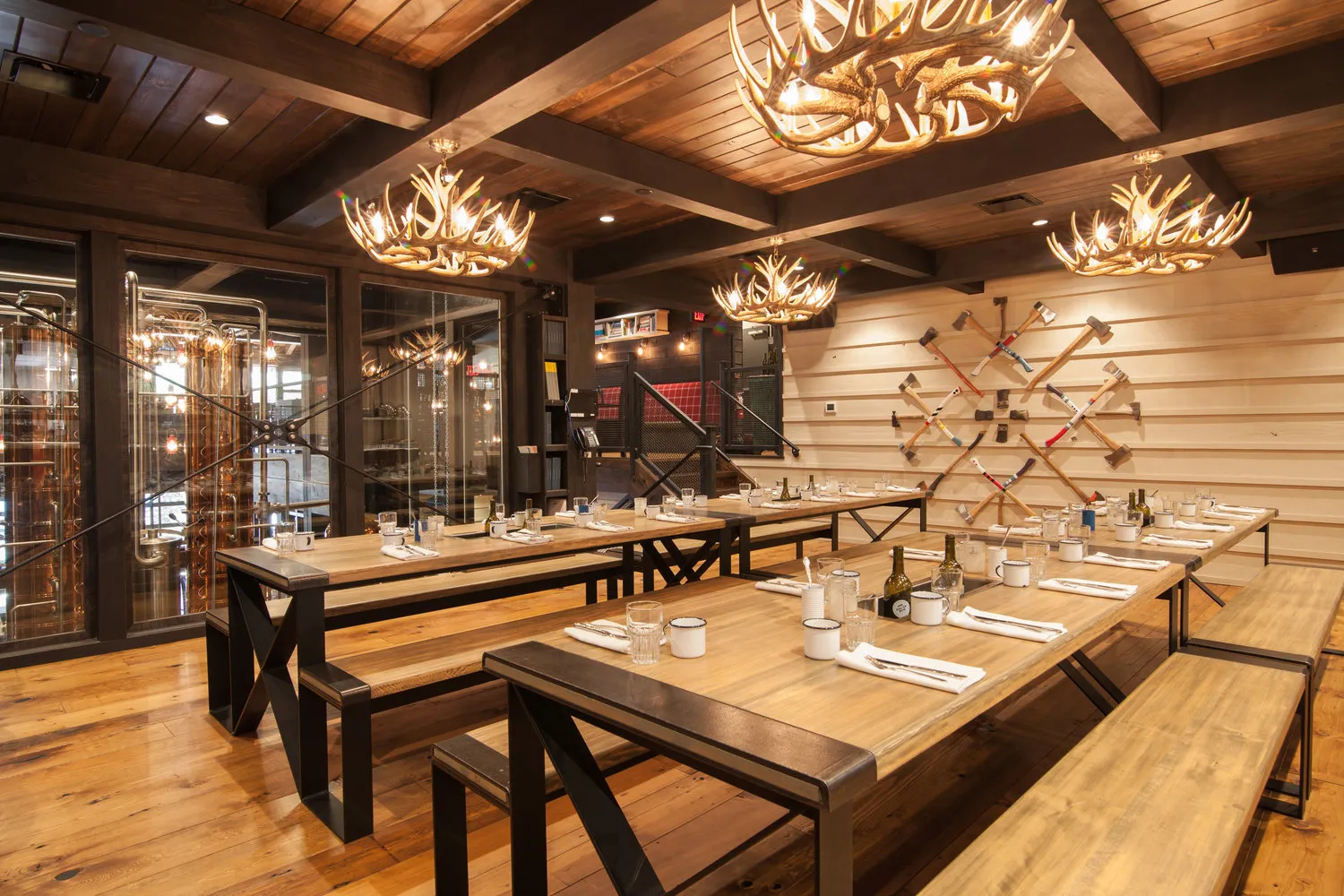
With decades of experience handling diverse project demands, Canadian Timberframes excels in manufacturing and delivering mixed-media design scopes. Our versatility and experience in integrating various materials and innovative designs makes us a trusted partner for professionals seeking to create distinctive commercial buildings.

By partnering with Canadian Timberframes, you gain access to a team dedicated to realizing your architectural visions with precision, efficiency, and a profound respect for the tradition and innovation in timber framing.
From understanding the design process to navigating construction timelines, we’ve compiled a list of the most commonly asked questions to ensure you have all the information you need. Explore our FAQs for detailed insights and practical advice on making your commercial project a reality with Canadian Timberframes.

Yes, we can grade stamp out timbers onsite at our facility. Because we have an onsite mill we can offer this value add service to all of our clients. When a grade of timber is specified by an architect or engineer within their design – wither it be a residential or commercial project , we can deliver on these requirements in house without adding additional costs or time, where other manufacturers would have to source this service; get tested & comply. Grading also provides a layer of protection for the manufacturer and homeowner by establishing definable levels of quality for the products being sold and marketed within the industry.
Steel buildings are primarily constructed using steel columns and beams, offering high strength and durability, making them suitable for large, open spaces and heavy loads. On the other hand, mass timber structures utilize engineered wood products like cross-laminated timber (CLT) and glue-laminated timber (glulam), providing a renewable and sustainable alternative with excellent structural performance and aesthetic appeal.
Both steel and mass timber offer excellent design flexibility, allowing architects and engineers to create innovative and visually striking buildings. Steel provides large spans and versatile framing options, making it ideal for wide-open spaces and complex geometries. Mass timber, on the other hand, offers warmth and natural beauty, enabling designers to incorporate exposed wood elements and biophilic design principles into their projects.
Both steel and mass timber construction must comply with local building codes and regulations governing structural design, fire safety, and environmental performance. While steel buildings may require additional fire protection measures such as fireproofing coatings or sprinkler systems, mass timber structures are inherently fire-resistant due to the charring properties of wood, although fire-rated assemblies may be necessary for certain applications.
The cost-effectiveness of steel versus mass timber depends on various factors such as project size, design complexity, and local market conditions. Generally, steel structures may have a lower initial cost due to the widespread availability of materials and established construction methods. However, mass timber structures offer advantages in terms of reduced construction time, lighter foundation requirements, and potential long-term savings in energy efficiency and maintenance costs.
Steel production requires significant energy inputs and generates carbon emissions, whereas mass timber is sourced from sustainably managed forests and sequesters carbon throughout its lifecycle. Mass timber structures contribute to carbon sequestration and offer a renewable alternative to traditional construction materials, making them a preferred choice for environmentally conscious projects seeking LEED certification or other green building standards.
Steel buildings typically have shorter construction timelines due to the availability of standardized components and faster assembly processes. Mass timber structures, however, can be prefabricated off-site to a greater extent, reducing on-site construction time and minimizing disruption to surrounding areas. Additionally, mass timber construction is well-suited for projects with tight schedules or phased construction requirements.

.webp)
.webp)
.webp)
.webp)


