
.webp)
Blog
May 20, 2026
Commercial builders will choose heavy timber or mass timber over steel for lower embodied carbon, faster erection, and a structure that is the finish rather than something hidden behind drywall. On the right building, it costs less too, once fireproofing, ceilings, and schedule are in the math.
But it is rarely one or the other. The strongest commercial structures use the right material in the right place. Timber goes where the structure is exposed. Steel goes where the spans are long and the loads are heavy. Many buildings use both.
So the decision is not timber or steel. It is the balance between them. Here is how cost, carbon, and schedule compare, where steel still wins outright, and why most commercial projects combine heavy timber, mass timber, and steel.
Comparing raw structural cost per ton or per cubic metre is the wrong frame. A steel frame is invisible. It gets clad in fireproofing, drywall, ceilings, and finish materials before the building is occupied. A heavy timber or mass timber frame is the finish.
When you compare finished structural cost, the structure plus everything required to make it occupiable and visually acceptable, timber is competitive on most building types for several reasons:
The savings show up most clearly in hospitality, civic, and multi-family work, where the structure is meant to be seen and every week of schedule carries cost on the financing side.
Mass timber carries a lower embodied carbon footprint than an equivalent steel-frame or reinforced-concrete building. Life-cycle assessments consistently show this, and the size of the reduction varies with methodology, sourcing, and end-of-life assumptions.
Three things drive the advantage. Wood stores biogenic carbon in the structure for the life of the building. Milling sawn timber and glulam takes far less energy than producing structural steel or cement. Timber from sustainably managed forests is also a renewable input rather than an extracted one.
Steel and timber both prefabricate well, so they diverge most on the finishing schedule. A steel frame is only the start of a long sequence: the deck, fireproofing, MEP rough-in, drywall, ceiling, and finishes all follow it, each trade waiting on the one before.
A heavy timber or mass timber frame compresses this. The exposed structure is finished when it lifts. MEP runs are coordinated within the BIM model before fabrication. Chase locations, drilling tolerances, and concealed routing are detailed in advance. Many trades start sooner because the visible ceiling is already installed.
For hospitality and resort projects with seasonal opening dates, that compression is often the deciding factor. Brock Commons for example, is an 18-storey mass timber building at the University of British Columbia. As documented in naturally:wood's case study, it was assembled in 70 days by a crew of nine, two months ahead of schedule.
Timber is not right for every commercial project. Steel remains the better choice for:
The more visible the structure, the more occupant-facing the building, and the more sustainability matters to the client, the stronger the case for timber. The more concealed or long-span the structure, the stronger the case for steel.
More than 25 years of commercial work shows where timber fits best:
For projects in this list, the conversation is usually not “timber vs steel.” It is “all-timber, hybrid, or steel-with-timber-features.”
Most architecturally interesting and structurally efficient commercial timber buildings combine both materials, using each where it performs best.
A recent project in Sitka, Alaska shows the pattern clearly. A building originally designed in steel was redesigned as a hybrid system combining glulam, timber, and steel. The result was better cost efficiency and a faster construction schedule. The redesign did not subtract steel where steel earned its place. It added timber where timber added value, and let each material carry the loads it was best suited to carry.
We work in a few typical hybrid patterns:
The common thread is using each material where it performs best: solid sawn heavy timber for visible character and craft, glulam and CLT for span and scale, and custom steel for transitions and complex connections.
It is not just about timber. It is about delivering a structure that performs financially, structurally, and architecturally. That is the work we do when the heavy timber, glulam, CLT, and custom steel come from one supplier under one contract, with one set of shop drawings, one delivery sequence, and one point of contact.
For builders and construction managers, the question is rarely just timber versus steel. It is whether the package will arrive on schedule, labelled, sequenced, and ready to lift.
An integrated commercial timber package typically delivers:
The difference between a coordinated package and a stack of cut timber is the difference between a measured raise and a week of figuring out which piece goes where. On a commercial schedule, that gap shows up in financing carrying cost, trade sequencing, and weather exposure.
These questions are worth asking in early design:
Bring a timber manufacturer into the conversation at schematic design, before the structural system is locked. Early collaboration is when the cost comparison is most useful, because the design can be optimized to the strengths of whichever material is chosen.
It depends on what you are comparing. On raw structural cost per ton, steel can be cheaper. On finished structural cost (including fireproofing, ceilings, finishes, and erection schedule), timber is often competitive or lower, especially on hospitality, civic, and mid-rise multi-family work.
The 2021 International Building Code allows mass timber up to 18 storeys in the US. The National Building Code of Canada permits up to 12 storeys, and provinces including British Columbia and Ontario have adopted their own 18-storey provisions. Several Canadian projects have reached or exceeded 12 storeys.
Heavy timber achieves its fire rating through char depth. Large solid wood members char at predictable rates while the inner section maintains structural capacity. Type IV construction in the IBC and equivalent NBC sections recognize this with prescribed minimum dimensions and ratings up to 2 hours.
Typical commercial packages run 16 to 28 weeks from contract to delivery, depending on complexity and engineering. Longer lead-time items, including KD timber, FOHC sections over 8x8, and large glulam, should be flagged early.
Yes, and most large commercial timber projects do exactly this. Custom steel plate connections, steel moment frames at glazed facades, and steel transfer beams supporting mass timber are common hybrid patterns. The Sitka, Alaska project referenced above is one example.
Project-specific life-cycle assessments consistently show lower embodied carbon for mass timber than for an equivalent steel structure. The size of the reduction depends on methodology, sourcing, and end-of-life assumptions, and it is largest when the timber comes from sustainably managed forests. The figure for a given building comes from its own life-cycle assessment.
Canadian Timberframes designs and manufactures heavy timber, glulam, CLT, and custom steel for commercial projects across North America. Our 26-acre facility in Golden, BC operates two on-site sawmills, large log and timber inventory, and a Hundegger K2i six-axis robotic CNC. We work in BIM from schematic design through delivery, with stamped shop drawings, sequenced packages, and on-site support during the raise.
Early involvement typically delivers a better-performing, more cost-efficient structure. We are happy to join your project team at the schematic phase, before the structural system is locked.
Where are you in your project?
Or call us at 1-877-348-9924.


Honest comparison of timber and steel on cost, carbon, and schedule for commercial work. Where each wins, and why most commercial projects use a hybrid of both.
Read more
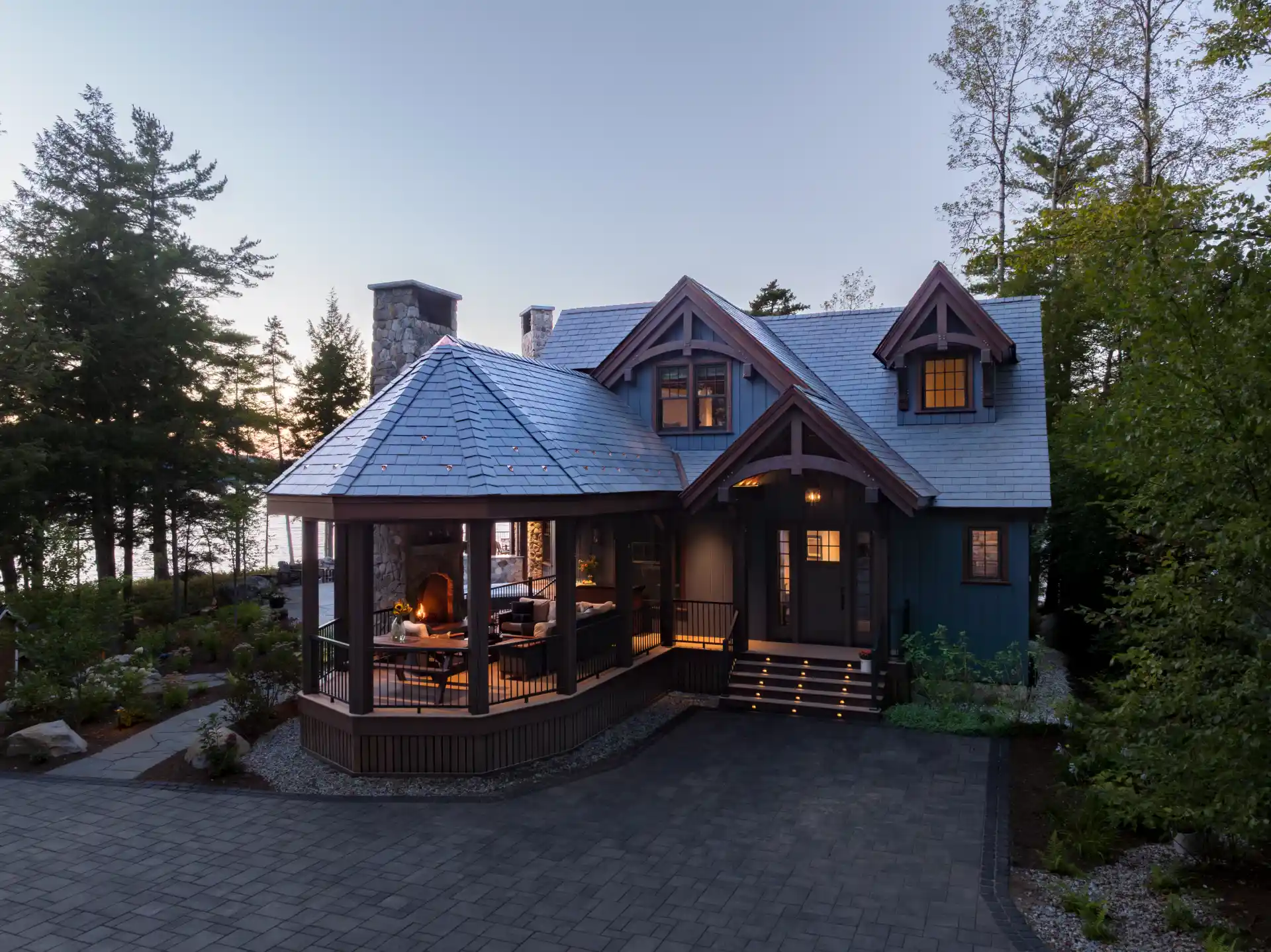
When to engage the manufacturer, how files exchange, what CNC capacity allows, and how connections get detailed on prefabricated timber.
Read more
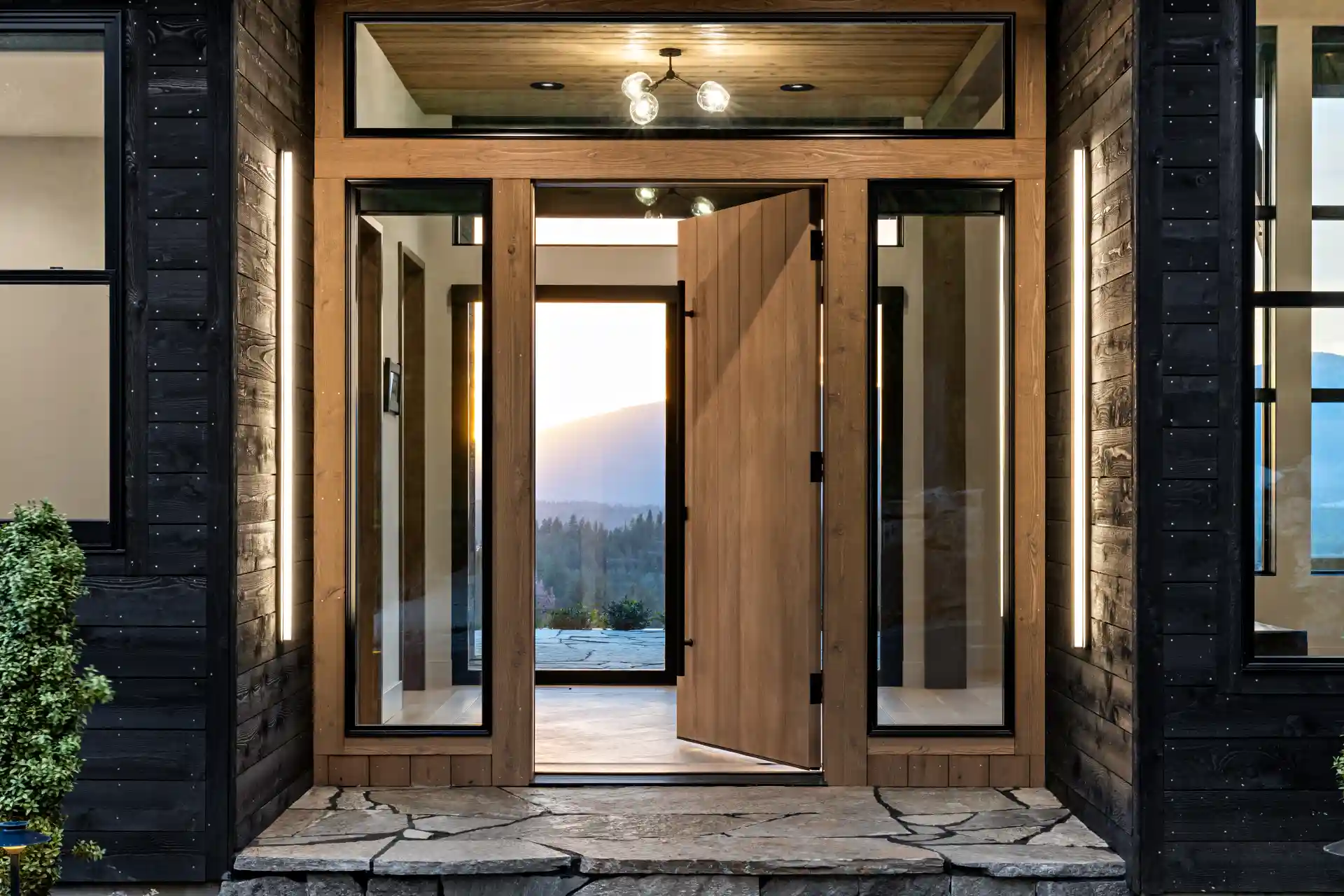
Why do residential timber frame projects exceed budget? Learn the most common cost drivers in luxury timber frame homes and how a shared model helps builders stay on track.
Read more
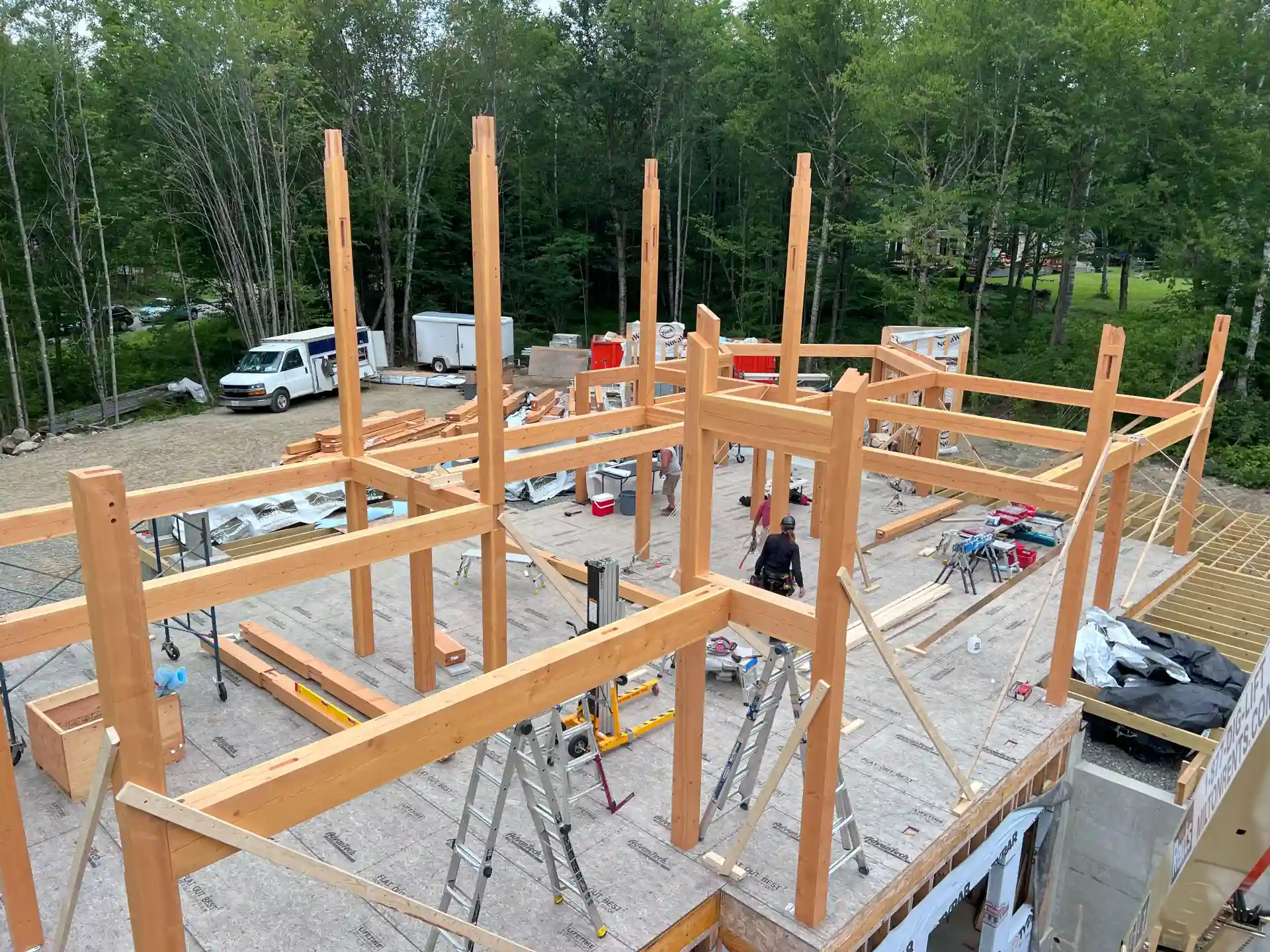
A custom timber frame kit isn't a flat-pack house. Learn what's included, what's not, and how to read a quote so you avoid budget surprises.
Read more

Choosing a timber frame company is harder than it looks. Eight questions to ask any supplier before you sign, with what their answers tell you about scope, manufacturing, and support.
Read more
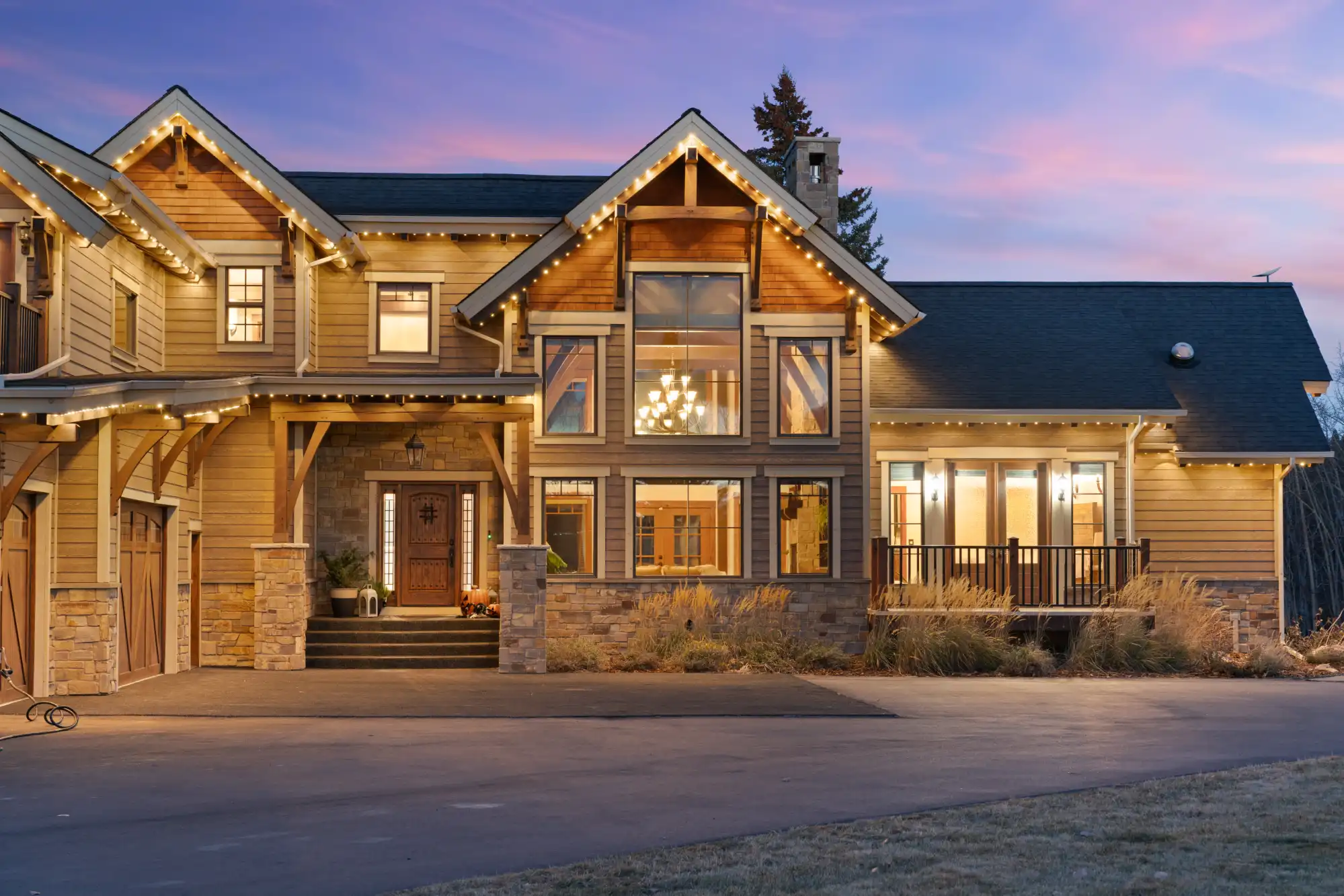
A guide to what drives timber frame home costs in 2026 — from structural package pricing and total build cost per square foot, to the design choices that genuinely push the number up or down.
Read more
.webp)
Discover what goes into building a luxury timber frame home, including realistic timelines, turnkey investment ranges, and expert planning insights to help you prepare for a successful custom build.
Read more

Timber framing combines natural beauty with strength, using glulam and solid timber-each with unique advantages. Glulam offers engineered strength and design flexibility for long spans and curves, while solid timber provides authentic character and warmth. Both are sustainable, and blending them lets you balance performance with natural aesthetics to create strong, visually appealing timber structures.
Read more

Discover how timber framing integrates into the custom home design and build process. Learn how Canadian Timberframes collaborates with architects, engineers, and builders to refine designs, optimize manufacturing, and support smooth construction from concept to completion.
Read more

Discover how Canadian Timberframes streamlines the custom timber frame home building process with expert design, sustainable materials, and comprehensive support from consultation to completion. Learn more about the custom timber frame home building process.
Read more
.webp)
This blog post will explore some stunning timber frame houses built in Colorado and provide insights into the qualities to look for when choosing a timber frame supplier.
Read more


