
Blog
June 2, 2026
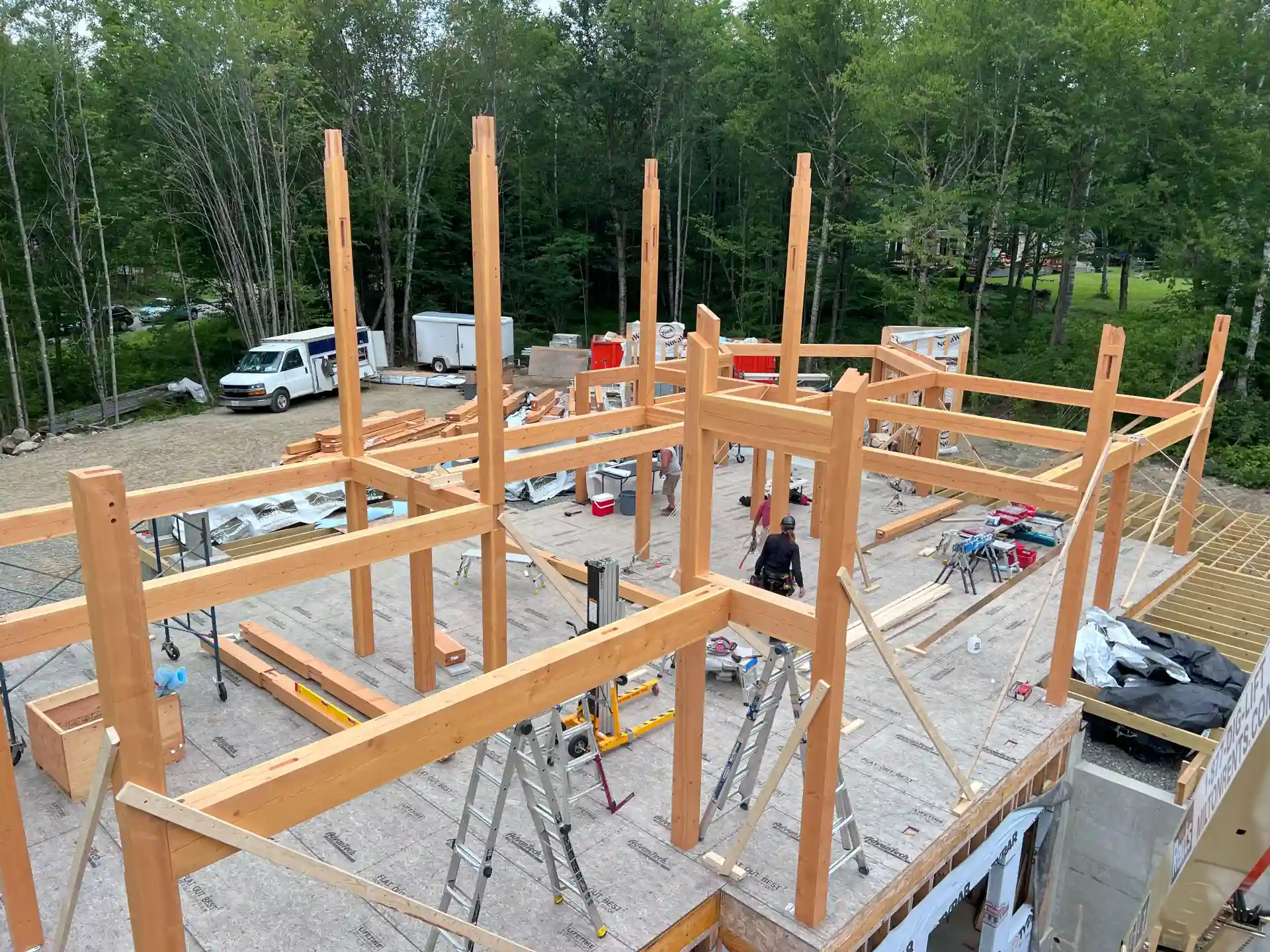
The word kit sets the wrong expectation. It suggests a flat-pack house that arrives ready to assemble, when a custom timber frame kit is something narrower and more precise: a manufactured structural and enclosure package that carries your project from the foundation to a framed, insulated, weather-tight shell. Almost everything after that point, the interior walls, the cabinetry, the flooring, the mechanical systems, is the work of your general contractor and the trades they coordinate.
This is the most common source of confusion for first-time buyers, and it is the difference between a smooth build and a budget surprise. Knowing what sits inside the package, what sits outside it, and how the scope can be layered is what lets you read a quote accurately.
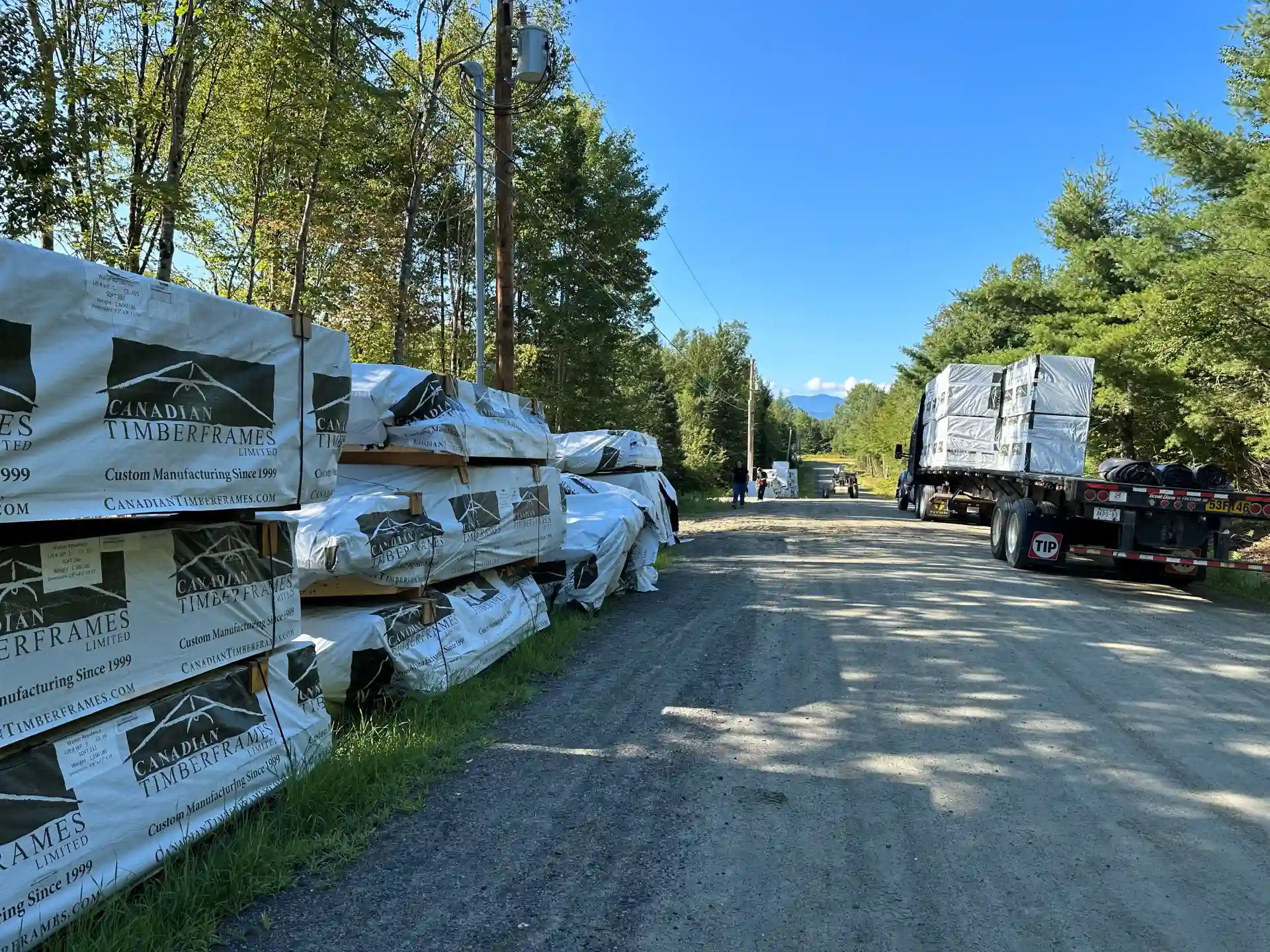
A serious residential kit is a layered package, not a single product. At Canadian Timberframes the residential offering is the Enclosure Package, and it is a representative example of what a complete custom timber frame kit looks like. The package is organized in layers.
It takes a project from the foundation to a building that is framed, insulated, sided, and ready for the next phases: windows and doors, interior partitions, mechanical systems, and finishes.
Looking for more detail on our kits and packages? Check out our article what is included in a Canadian Timberframes materials package.
This is the part most buyers underestimate. The Enclosure Package takes the structure from foundation to weather-tight, and it stops there. It does not include the foundation itself, and it does not include the interior fit-out. A kit leaves the following scopes to others:
Windows and doors deserve their own note. The wall system arrives with framed rough openings ready to receive the units, but the units themselves, the premium windows and doors and their hardware, are usually a separate scope. Your kit provider may supply and coordinate them as a package upgrade, or they may stay with your builder. Confirm this on every quote.
The key takeaway: A timber frame kit delivers everything your manufacturer is best positioned to design, fabricate, and ship. It does not deliver the work done on your site by trades your general contractor coordinates. Both are essential to a finished home. They are simply different scopes of work.
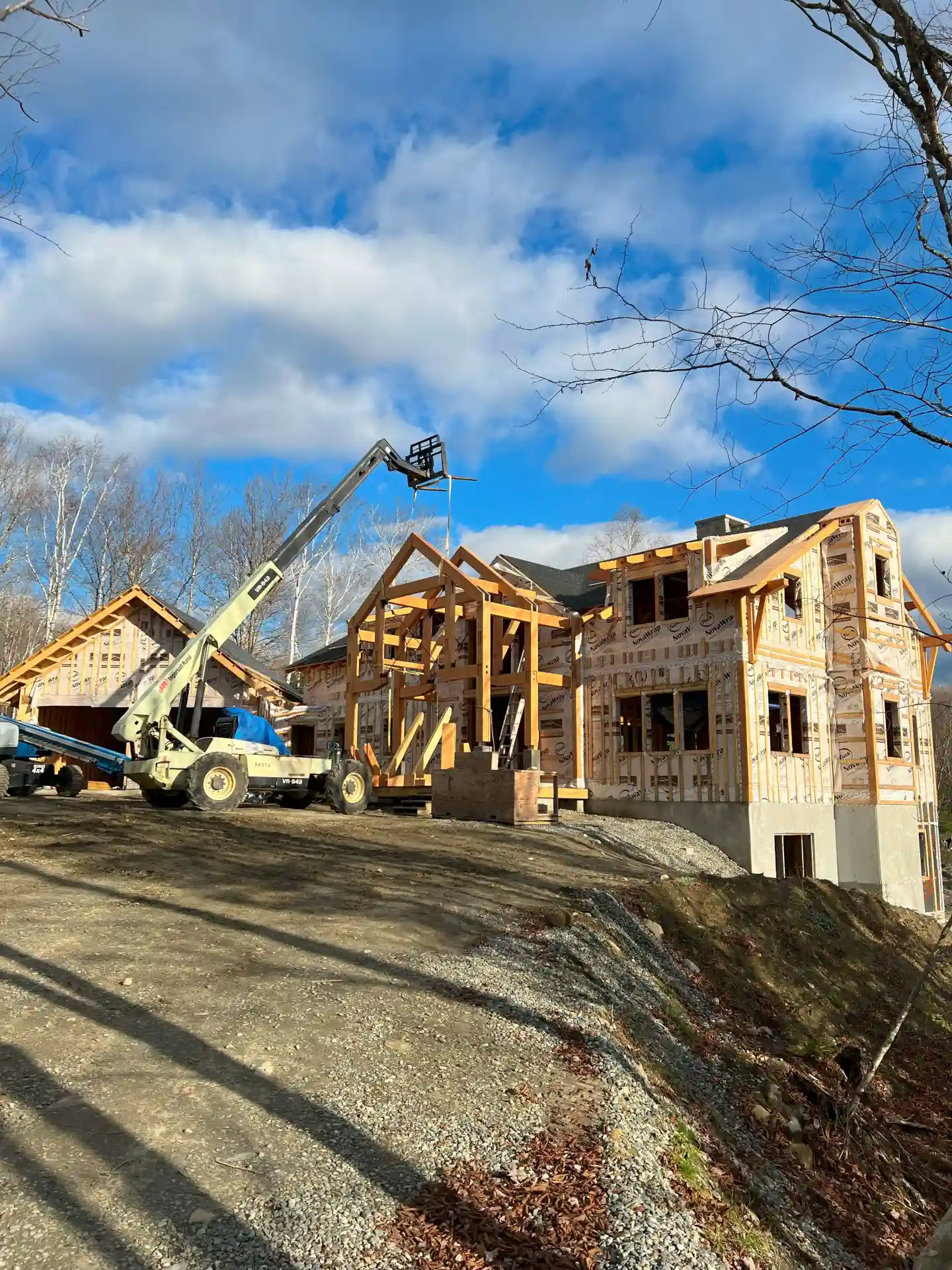
A kit is not one fixed scope. It is a set of layers you can buy in combination, and most of the confusion between quotes comes from comparing different layers as if they were the same product. Reading from the inside out, the layers build up like this.
Each added layer moves more of the work into the controlled environment of the shop and out of the field, and each one changes the number on the quote.
Once you know that a kit is layered, comparing quotes becomes a question of scope rather than price. Three rules do most of the work.
Choosing between the providers who issue those quotes is a separate decision, with its own set of questions about design capability, material supply, manufacturing technology, and track record. We cover it in full in our guide on how to choose a timber frame company.
Kit pricing depends on size, complexity, finish specifications, and which scope layers you include, so the kit itself is only a portion of the total build. Rather than quote a range here, we break the numbers down in our companion guide on timber frame home cost, which covers package pricing and total build cost per square foot.
No. Foundation and site work sit outside the kit. The foundation is designed and built by your general contractor before the package arrives, and the kit is engineered to land on the foundation you have built.
A timber frame raise needs a crane and a crew experienced with structural timber assembly. A skilled owner-builder with the right crew and equipment can take it on, but it is not a typical homeowner project. Most kits are installed by a general contractor with timber frame experience, working in coordination with the manufacturer.
A timber frame kit is built around structural posts and beams with infill wall and roof systems. A log home kit uses solid logs as both structure and exterior wall. They look different, perform differently, and use different construction methods. Timber frame suits modern custom homes and high-performance enclosures. Log construction is its own tradition.
Lead time depends on package size, complexity, and material specifications, and premium options such as kiln-dried timber, free of heart centre members above 8x8, and custom finishes extend it. Engineering and design happen before the manufacturing window starts, so it is best to confirm a timeline against your specific project early in the design conversation.
The residential Enclosure Package includes the heavy timber frame, custom metal connectors, a complete insulated roof system, engineered exterior walls with insulation, timber stair components floor systems, cedar siding and trim, factory-applied finishes, and delivery. It does not include the foundation, site work, interior partitions, cabinetry, flooring, appliances, mechanical systems, or interior finishing materials.
Canadian Timberframes is an integrated design-manufacturer. Our in-house team of timber designers, project coordinators, structural engineers, and manufacturing specialists works from a 26-acre facility in Golden, British Columbia, with two sawmills, a large log inventory, and a Hundegger K2i six-axis robotic CNC line cutting to a tolerance of 1/16 of an inch.
We design and manufacture custom timber frame homes for clients across North America, from the first concept through delivery to your site. If you are planning a build and want to understand exactly what a kit would look like for your project, we would welcome the conversation.
Ready to scope a kit for your project? Schedule a consultation
Or call us at 1-877-348-9924.


A custom timber frame kit isn't a flat-pack house. Learn what's included, what's not, and how to read a quote so you avoid budget surprises.
Read more
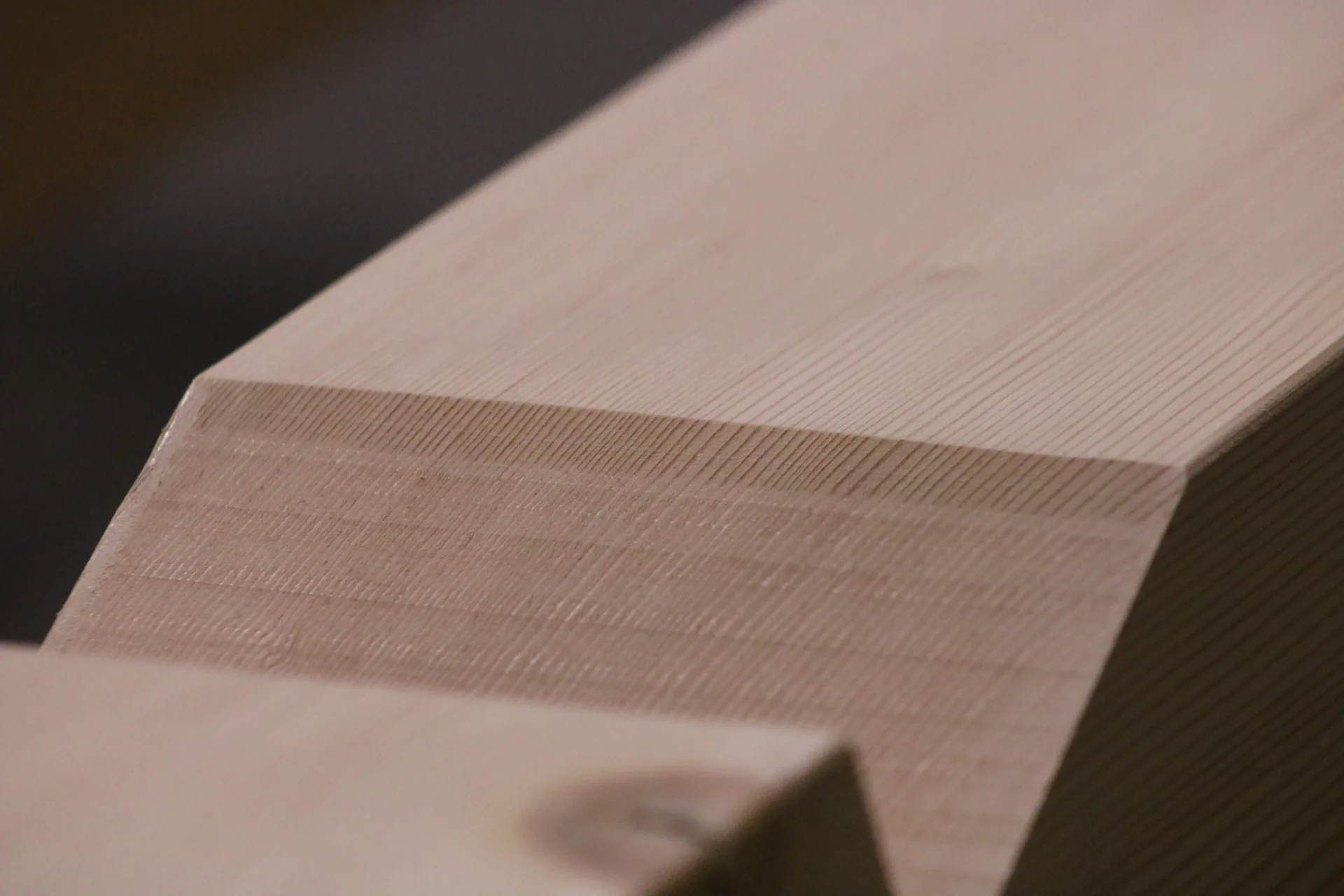
How slow-growth Rocky Mountain fibre, careful log selection, and manufacturing in Golden, BC contribute to the quality of your timber frame.
Read more
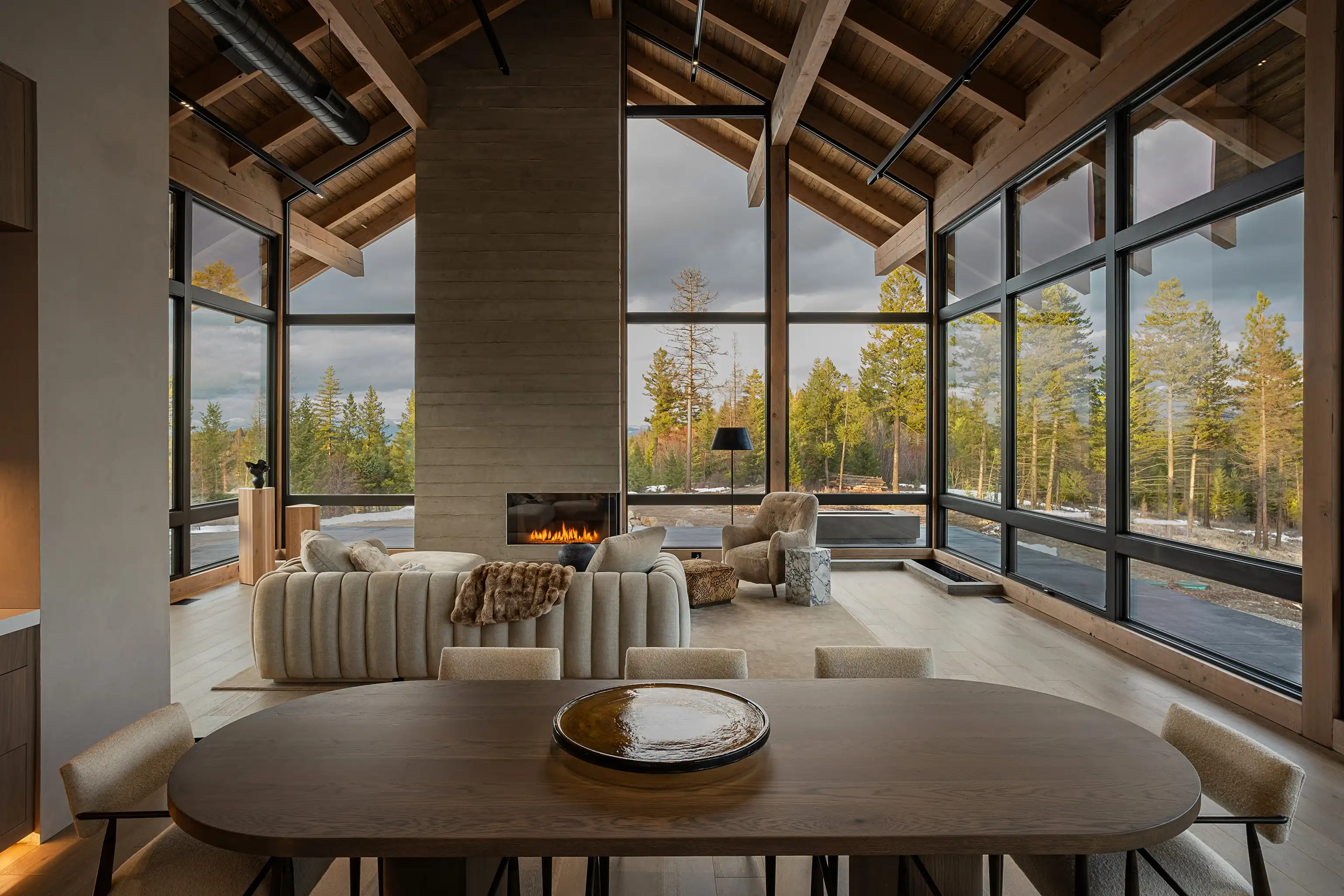
A practical guide to heavy timber connections and finish interfaces, explaining how movement, glazing, stone, and millwork details protect architectural intent in custom homes.
Read more
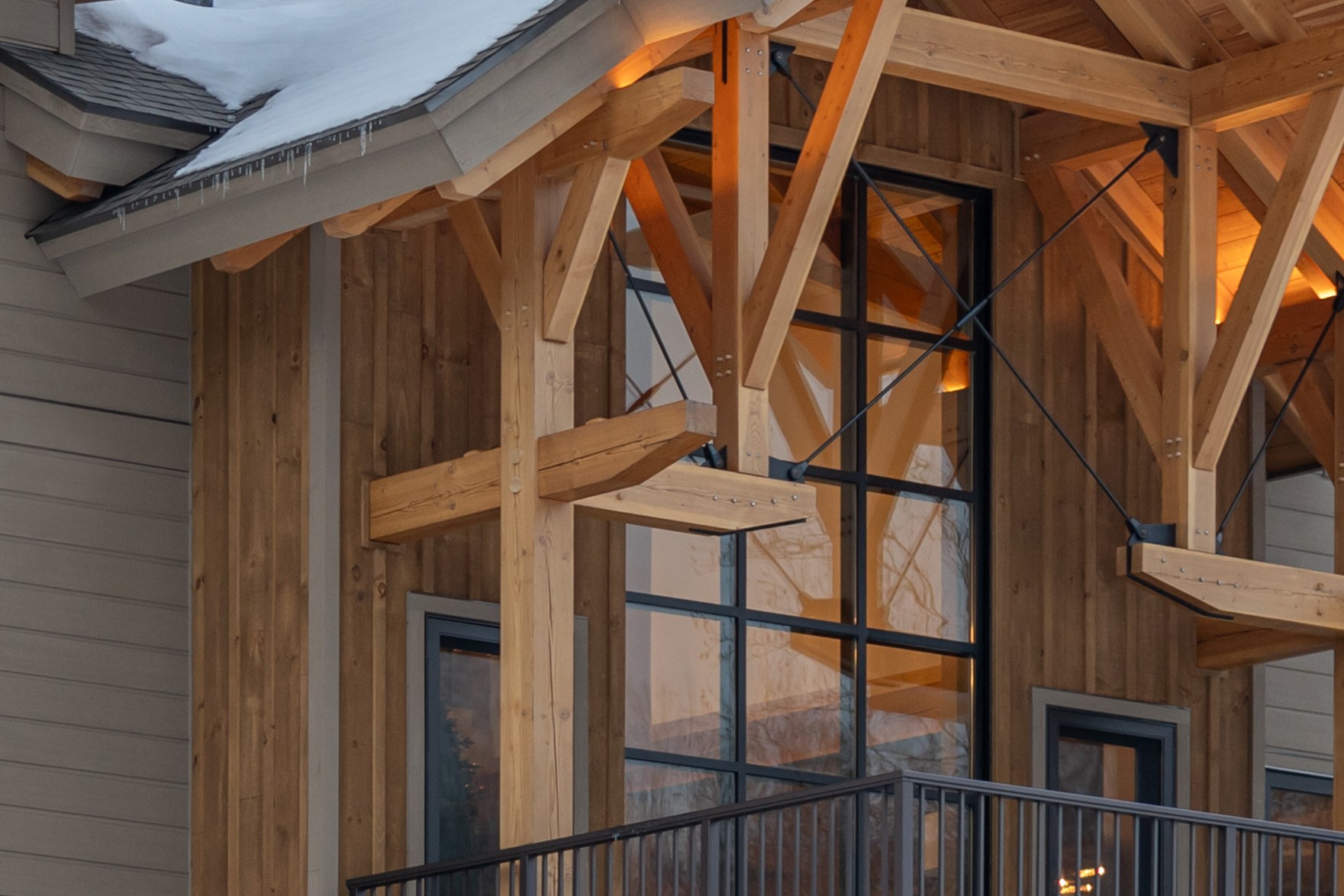
Compare timber species and textures, understand moisture and FOHC sourcing, and identify when glulam suits a luxury custom residential project.
Read more
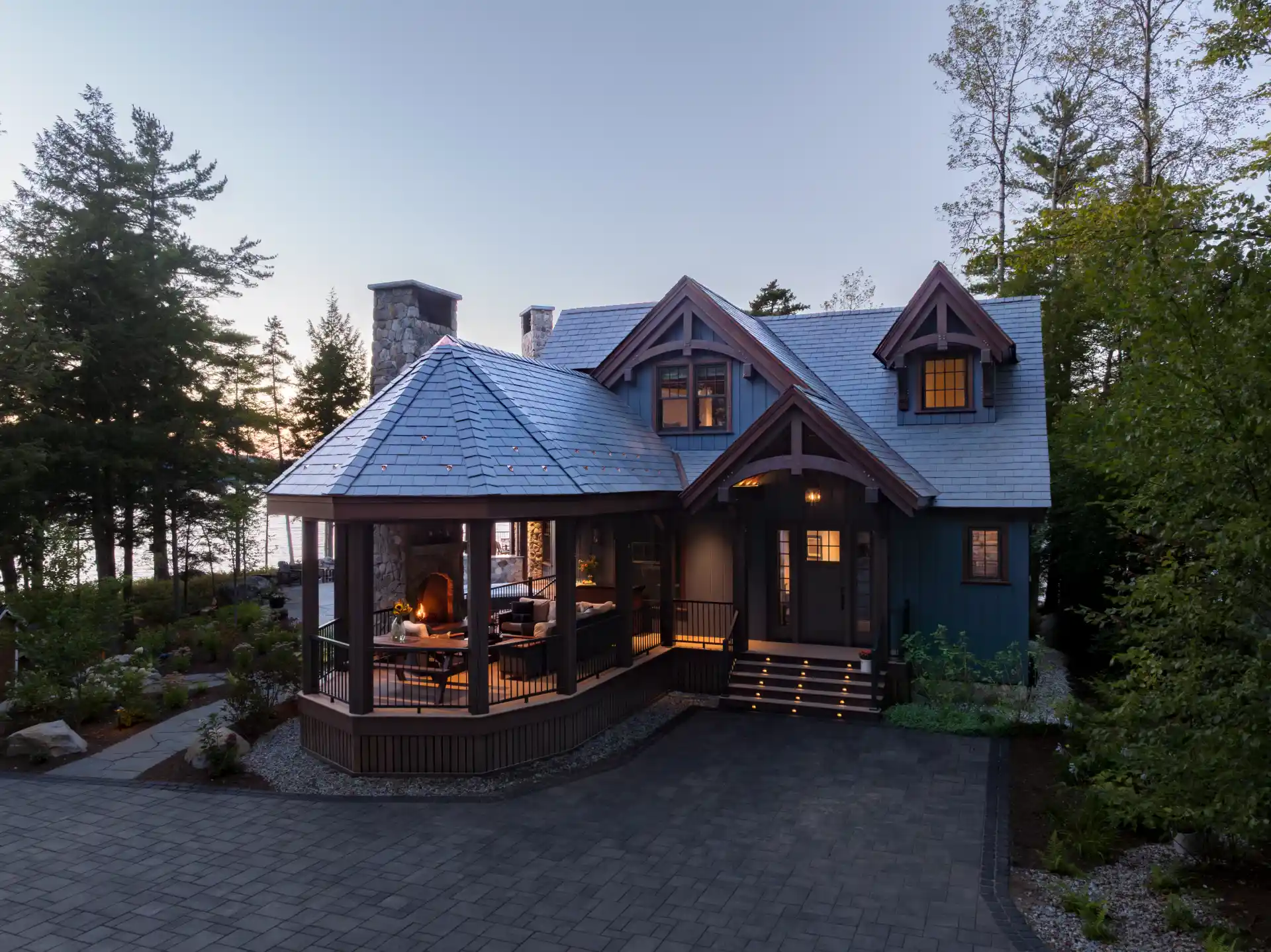
When to engage the manufacturer, how files exchange, what CNC capacity allows, and how connections get detailed on prefabricated timber.
Read more
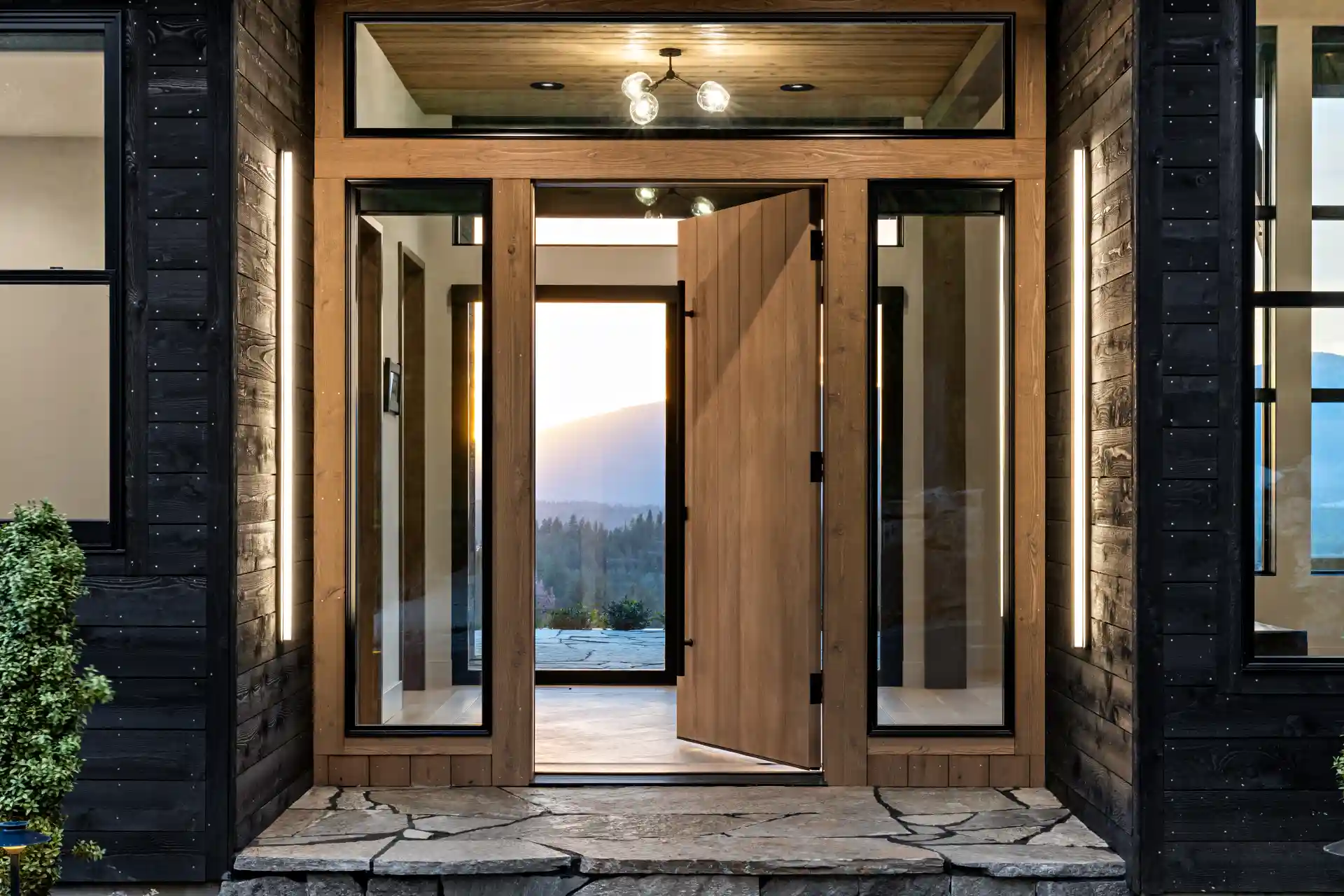
Why do residential timber frame projects exceed budget? Learn the most common cost drivers in luxury timber frame homes and how a shared model helps builders stay on track.
Read more
.webp)
Honest comparison of timber and steel on cost, carbon, and schedule for commercial work. Where each wins, and why most commercial projects use a hybrid of both.
Read more

Choosing a timber frame company is harder than it looks. Eight questions to ask any supplier before you sign, with what their answers tell you about scope, manufacturing, and support.
Read more
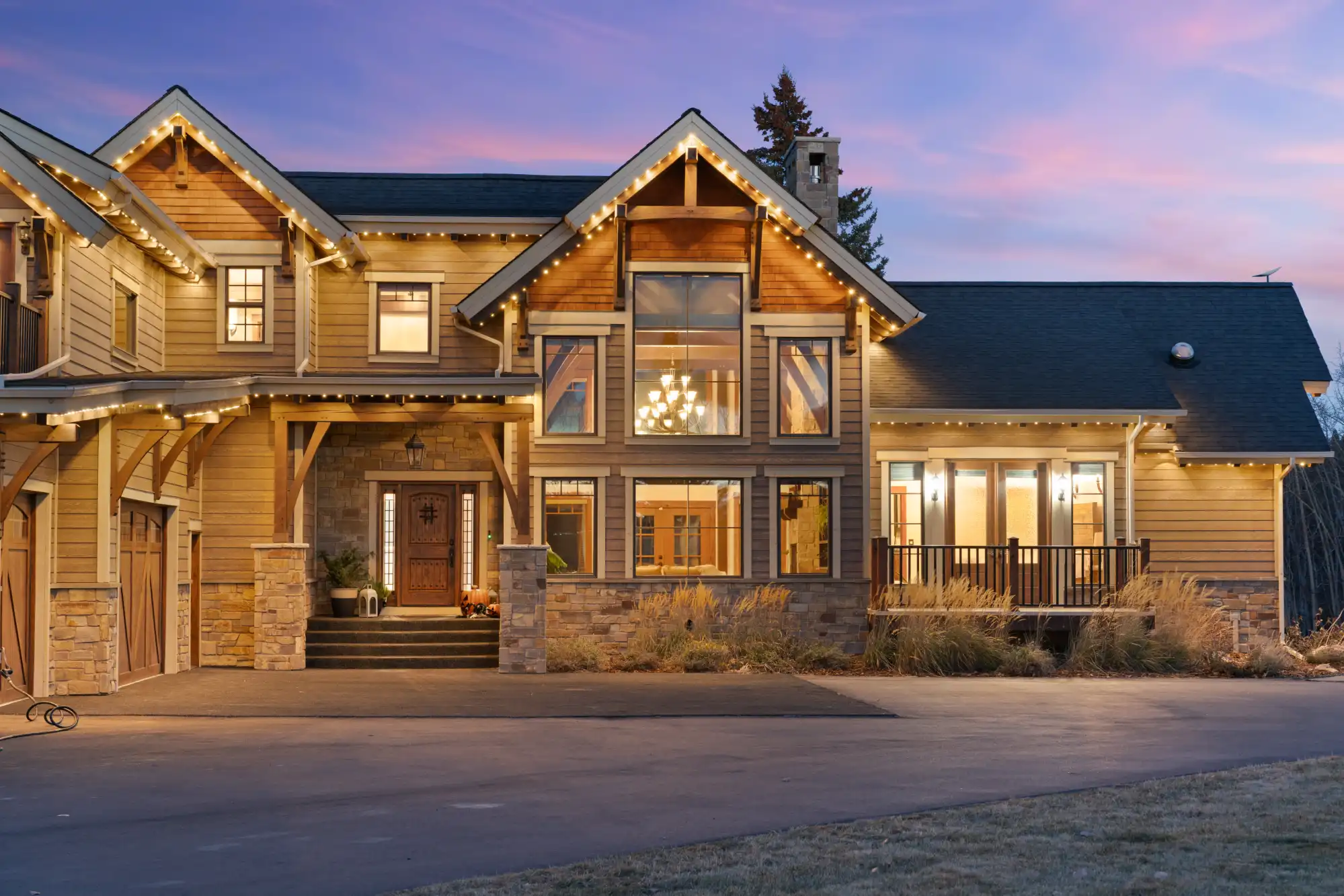
A guide to what drives timber frame home costs in 2026 — from structural package pricing and total build cost per square foot, to the design choices that genuinely push the number up or down.
Read more
.webp)
Discover what goes into building a luxury timber frame home, including realistic timelines, turnkey investment ranges, and expert planning insights to help you prepare for a successful custom build.
Read more

Timber framing combines natural beauty with strength, using glulam and solid timber-each with unique advantages. Glulam offers engineered strength and design flexibility for long spans and curves, while solid timber provides authentic character and warmth. Both are sustainable, and blending them lets you balance performance with natural aesthetics to create strong, visually appealing timber structures.
Read more


